Clive Stevens
“My God, I never realised writing up a PhD was so difficult”, and may I add, it is frustrating, stressful and sleep depriving too. Perhaps my subject area is worse, when the meaning of nearly every word is contested and often used with imprecision. Take the word equity, for example, this has four meanings. One meaning is used to describe restorative justice when the law results in an unfair outcome, it is the legal principle of Equity in English Law. Equity also describes the share capital of a business with its related meaning of proportionality, what you get out is proportional to what you put in. Equity can also mean the opposite; in situations of disadvantage, sometimes it is desirable to put in more resource and support to level up the playing field, towards ‘equality of opportunity’, please don’t set me off on the word equality! And finally, equity can be used as a synonym for any fairness principle as in, “this is equitable”.
Equity means all of those things, it depends on context, so a report saying “we will provide an equitable solution” means different things to lawyers, economists, business persons, teachers, doctors, and politicians. Councillors have taken different career paths; if equity is proposed by an officer, one councillor might understand it as, “we will help the disadvantaged” and another, sitting opposite, might understand, “we will help those who work harder” and that is before we ask the lawyers. “The subject cries out for conceptual clarity”, those are not my words, although I do agree, I have seven systematic review papers from different disciplines saying just that. Hence my write up is progressing one word at a time, all the way to the 80,000!
Although the PhD write up is slow, my research has already had some practical use in a Council, not Bristol, but one in the South West. You might recall Marcus Rashford’s successful campaign in 2020, he received an MBE; it resulted in the provision of holiday food vouchers for those children in receipt of free school meals, so they could afford to eat during the holidays. That is being withdrawn this year, nationally, and is being replaced by locally agreed systems relying on some holiday activities that provide a free lunch plus Community Fridge or Larder memberships. The Government Guidance says this has to be done fairly without explaining what they mean by fairly. They want each family to apply and be assessed to access these free activities, bearing in mind the family has already been assessed for free school meal provision. And this change is combined with budget cuts.
I was asked by some councillors to use my newly developed fairness template to analyse this and assist them because they were concerned about their Council’s proposals. The fairness template has eight different fairness principles, called realms; I applied each realm to the proposals and it was clear that certain aspects of fairness had not been taken into account. Fair process had been considered, not surprising as this was written by officers, but there was little assessment of outcome fairness. I will give two examples, firstly geographical equity, there was no consideration of families living in areas where there are no Community Larders. Secondly, there was no assessment of proportionality by family size; the food vouchers, those being withdrawn, would have fed a family with three children at lunchtimes for all the summer holidays. However, under the new scheme, free lunches run out when the allocation of 18 days of activities has been met, but there are about 30 weekdays in a summer holiday so 12 days are not covered. The councillors made their statements and the upshot was that the officers were tasked to work out more detailed proposals. It is scheduled to come back to scrutiny and decision making later this Autumn.
So, whilst I debate the meaning of many words in my PhD and the write-up is taking longer than planned, the conceptual clarity it should bring will not only reduce confusion but may improve the quality of reports, debate and even decision making. I can see uses for my work already, and that makes it all worthwhile.
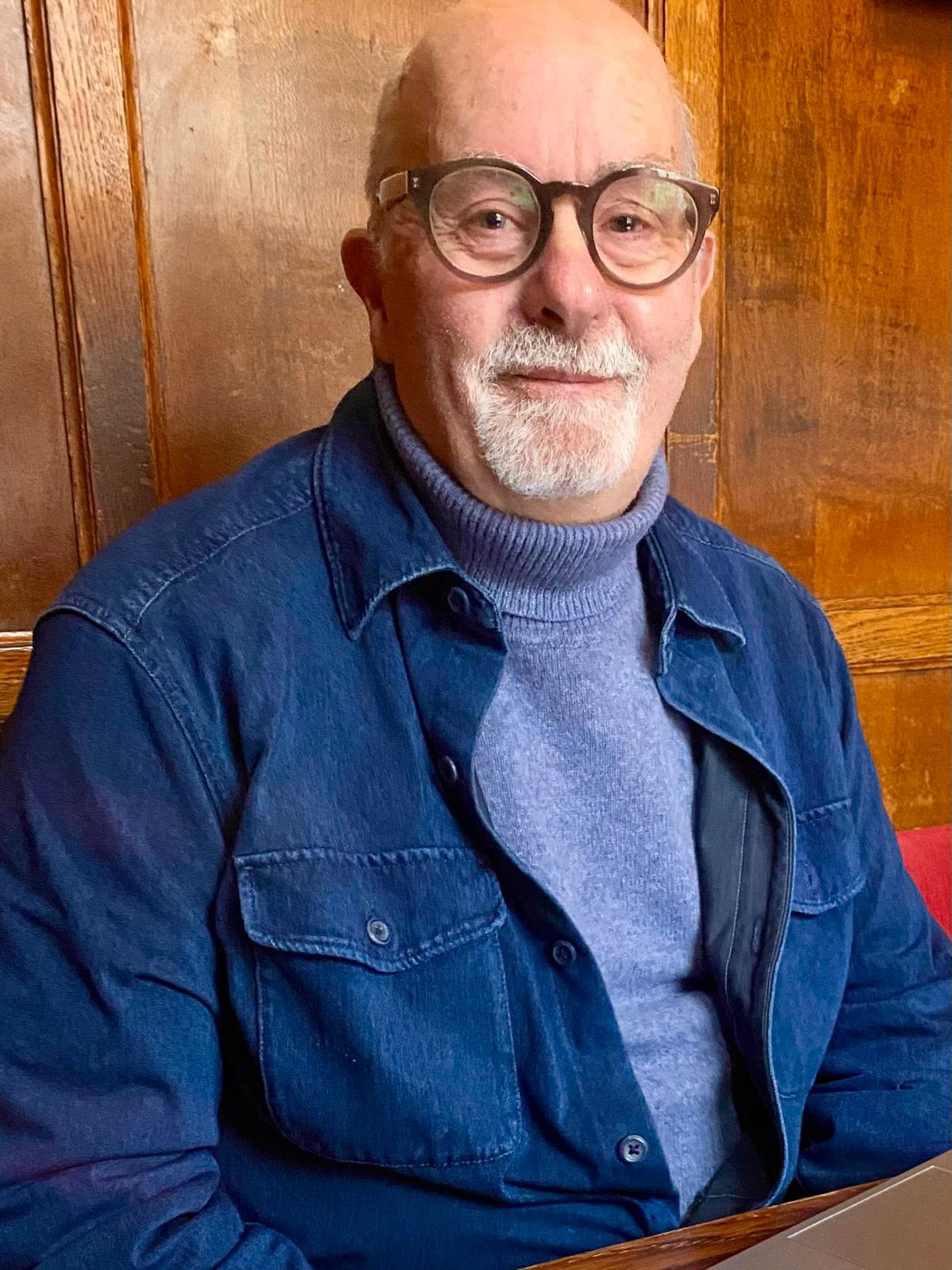
Clive is a former councillor in Bristol and author of the book on Local Government, After the Revolution, Clive followed up on politicians’ conceptions of fairness. He is now in his final year of a PhD at the University of Bristol, interviews are complete and is writing it up. He is hoping Local Government will take heed and improve the clarity of fairness and related concepts.


hi Clive. Fascinating stuff. Thanks.
Can you share your fairness template? I’ve done a lot of work on measurement in public services (see my Theories of Performance book for eg) so interested to see what you’ve developed.
and good luck with the writing.
Colin Talbot
[email protected]
Hello Clive
Thanks for this fascinating glimpse into your work.
Can you share your fairness template? I’ve done a lot of work on measurement of many aspects of public services so interested to see what you’ve developed.
And as another “mature” (former) PhD candidate – good luck with writing.
Best
Colin
Professor Colin Talbot
University of Manchester (Emeritus)
Government, Public Services, Co-operatives.
https://podcasts.apple.com/gb/podcast/co-ops-building-a-better-world/id1878511518