Improving social care’s digital adoption

Marc Greenwood

This week we are showcasing key findings from some recent dissertations by our Degree Apprentices. This dissertation identifies the barriers to and the motivations for digital adoption in adult social care services.  By exploring the impact of governance approaches and leadership styles in influencing the adoption of digital technologies in the home, it identifies techniques and approaches for supporting social care services to accelerate and sustain digital adoption.

Key findings:

  • Care technology in the home needs to become part of the standard way of operating within adult social care.  By doing so it is possible to de-mystify care technology, helping to normalise it, thereby increasing adoption.
  • Help stakeholders become more aware of the possibilities associated with care technology.
  • Develop the skills and confidence of professionals, carers and users: if people feel confident they are more likely to use the technology, and the reverse is true if they have low skills and confidence.
  • Limitations to digital adoption, due to economic and geographical reasons, are a consistent barrier.  
  • Leaders are key to successful adoption.  Leaders need to immerse themselves in the change. This includes using the technology themselves and not underselling the value their own behaviours have in influencing others to adopt technology in adult social care.
  • Leaders need to have a strong vision for change and develop a shared narrative that followers could understand and engage with.
  • Leaders must empower others to deliver the digital adoption agenda by allowing them to try new things, and to accept that sometimes things will fail.  
  • The skill of a leader to learn and adapt their approach is key – leaders must learn from what has worked well and what hasn’t.
  • Build networks and partnerships with effective dialogue influencing the work and direction of the network. De-risk digital adoption initiatives through collaboration and risk sharing.
  • Engage with users of services to understand what they want and what works for them. This way there is the possibility of greater adoption of digital services through shared ownership and buy in.
  • The role of place level governance is one that has the potential to influence the impact of digital adoption across networks through shared ownership and accountability.

Background

The development of digital technologies in adult social care has progressed significantly in recent years with the potential to transform the public sector landscape.  From traditional telecare services, through to remote assessment collaboration tools and independent living applications, the scale and scope of technology is burgeoning.  The Covid pandemic expanded and accelerated these innovations.  There remain however social, political and economic challenges in encouraging the wider and full-scale adoption of these technologies.  The use of these technologies is often added into traditional packages of care, rather than replacing demand for traditional services.

What we knew already

The interconnected and multi-level complexity of public sector organisations requires collaboration and consensus across different actors, both internally and externally, to ensure required outcomes are achieved.  Traditional hierarchical governance models can prove ineffective in the support of the adoption of change, perhaps because bureaucratic models rely on controlling changes through a gradual process to mitigate the risk of failure – leading to creativity being stifled and the opportunity for innovation lost.

Wider adoption of technology requires more effective involvement of adult social care stakeholders.  A networked governance approach might help public sector bodies to involve a wider range of actors in the defining of, and solution finding to, entrenched problems.  The key characteristics of a networked approach are the bottom-up nature of decision making, collective group-led decisions and wider participation of different members that have a role in the taking forward collective action.  Networked governance has the potential to unlock entrenched and complex issues through this collective approach drawing on peer to peer collaboration and action.

Public leaders can create an environment for innovation, within which actors are empowered to identify and take advantage of new opportunities, through influence on the culture and values of an organisation. With fast changing technologies and public demand for innovative and effective technological access to public services, leaders need to understand their operating environment and make decisive decisions about when and how to adopt new technologies.  Leaders also have important roles in encouraging professionals and service users to adopt technology to be a replacement for traditional care services.  Adaptive leadership styles can help flex the way in which challenges and problems are addressed, through the articulation of the challenge and use of different styles and contextual approaches to problem solving, enabling followers to connect with the problem and galvanising action to resolve it.

The availability of advanced technologies is helping to redefine how people receive support and tackling issues such as social isolation and workforce gaps. Technology can provide opportunities to reduce costs and to improve the quality of care and quality of life amongst users.  However, public and professional attitudes and awareness towards the use of technology in care is mixed.  Some citizens are unable to access and use technology due to economic issues or skills deficiencies.  Some choose not to because they do not perceive sufficient positive benefits. 

Successful adoption of ASC digital technologies
The research highlighted the need for care technology in the home to become part of the standard way of operating within adult social care.  Many care users don’t know what care technology in the home is available, how it can be used and the associated possibilities.  Behavioural approaches such as exploring capabilities, opportunity and motivation for change, positive action and encouragement can help adoption of technologies.

People need to see, and sometimes even experience, the benefits of the technology before truly getting onboard with using it.  Participants highlighted opportunities for demonstrating the possibilities of care technology by using reference sites or research exemplars, where success has already been achieved.  

One of the most significant barriers to digital adoption highlighted in the research relates to the skills and confidence of stakeholders to use technology.  The concept of ‘digital buddies’ can help to provide peer to peer support, alongside addressing a lack of affordable digital infrastructure and connectivity in some areas.  There is a role here for public leaders to ensure support is provided to reduce the risks of digital exclusion. 

How leaders influence digital adoption

Leaders can play an active role in leading digital adoption, actively using and promoting the benefits of the care technology.  They can develop a clear vision and narrative with partners, helping people understand what difference care technology in the home can have to the way people work and are supported to live independent lives, focussing on specific benefits and bringing the vision to life.  Change can easily slip back into old working practices and so leaders need to remain committed to the change whilst adapting to changing situations.

For lasting adoption of digital technology in the home leaders need to explain how it’s a better way of working or receiving care.  Leaders need to acknowledge they can’t implement the change alone and need others to develop and iterate the change, empowering staff to be creative.  Leaders need to adapt to changing situations, understanding and accepting issues.  Adaptive leaders understand what isn’t working and quickly adapt to change their approach, gathering insights from real users of care technology to use their perspectives to develop understanding and learning.

The effect of governance arrangements

Networks involved in digital adoption in social care need to develop strong mechanisms for dialogue to influence their work and direction, integrating awareness of the work across partnerships so that there can start to be a sense of collective ownership for the change that is being proposed.

Partnerships can help de-risk change initiatives.  At the personal level, the adoption of digital approaches in the home can seem quite daunting for people and many appear reluctant to adopt digital changes in the home because they are unfamiliar with them. Through a partnership approach individuals and groups can come together to support each other to test and trial the technology, thus becoming more confident with it, working together to achieve their digital adoption goals.  At the organisational level, organisations may feel reluctant to adopt new technologies and ‘be the first’, perhaps because of associated social or financial risks.  By working together partnerships have the potential to reduce these risks, spreading either the financial burden or the associated social impact.  

Individuals play key roles in shaping group attitudes and behaviours, by influencing as sector leaders across adult services.  This influencing can often be an effective tool for encouraging others to adopt new initiatives, by either direct engagement or simply because they don’t want to be left behind.  Individual service users are similarly important, one focus group member talked about how it often ‘just takes one person to show the way and the rest follow once they see the benefits’ of social care technology in the home.  Working directly with users of services can improve the rates of digital adoption, ensuring that products being purchased fit the needs of users and are adopted.  

The role of place level governance has the potential to influence the impact of digital adoption across networks, normalising their use and enabling users to become familiar with the available solutions, thus leading to greater adoption.

Conclusions

Digital technologies are changing the way we interact and how we live.  The necessity to adopt and integrate technology has never been more critical in adult social care. This research provides insight into the challenges faced by professionals, carers and service users when embarking upon a digital change journey.  It illustrates how different ways of engaging and working with stakeholders can be tried and iterated to achieve the goal of digital adoption.

The research provides several key points that should be considered when addressing the challenges of digital adoption. Firstly, the awareness of, and confidence in using, digital technologies is vital for adoption to succeed.  Secondly the role of the leader in being able to own the change and empower others to shape and implement digital change is a powerful tool for supporting wider adoption. The adaptive leadership style lends itself well to being flexible and able to adjust to meet the challenges of digital adoption.

Finally, effective partnerships and networks can support digital adoption. The collaborative nature of effective partnerships enables benefits to be shared whilst reducing the risk of a single organisation undertaking a venture. The research identified the benefits of networks of service users and their carers being able to influence adoption of digital services.

_________________________________________________________________________________

About the project

This research was a Master’s dissertation as part of the MSc in Public Management and Leadership, completed by Marc Greenwood and supervised by Dr Louise Reardon.  Marc can be contacted at [email protected].  The research included interviews with leaders who had led projects or service improvement activities within their own, or partner organisations, to adopt technology in adult social care; a 15-person focus group consisting of social care users and carers; and interviews with representatives of relevant network organisations.

Further information on Inlogov’s research, teaching and consultancy is available from the institute’s director, Jason Lowther, at [email protected]    

Twitter @Inlogov            Blog       Inlogov.com

How collaboration between local government and NHS is cutting waiting times in north-west London

Cllr Ketan Sheth

Stories of long waits for NHS treatment are rarely out of the news. I am only too mindful that behind those headlines are real people and families who rely on planned care, emergency treatment, and a complex mix of outpatient and specialist services.

In Brent and across north-west London, the number of people waiting for an orthopaedic operation, according to the NHS, has increased by around 30% since April 2022. Whilst procedures like hip or knee replacements are not usually considered to be time critical, waiting for treatment can severely affect a person’s quality of life. Many conditions can, indeed, worsen over time, making treatment and recovery that much harder.

There is, however, some good news for people living in north-west London who find themselves on the waiting list for orthopaedic operation.

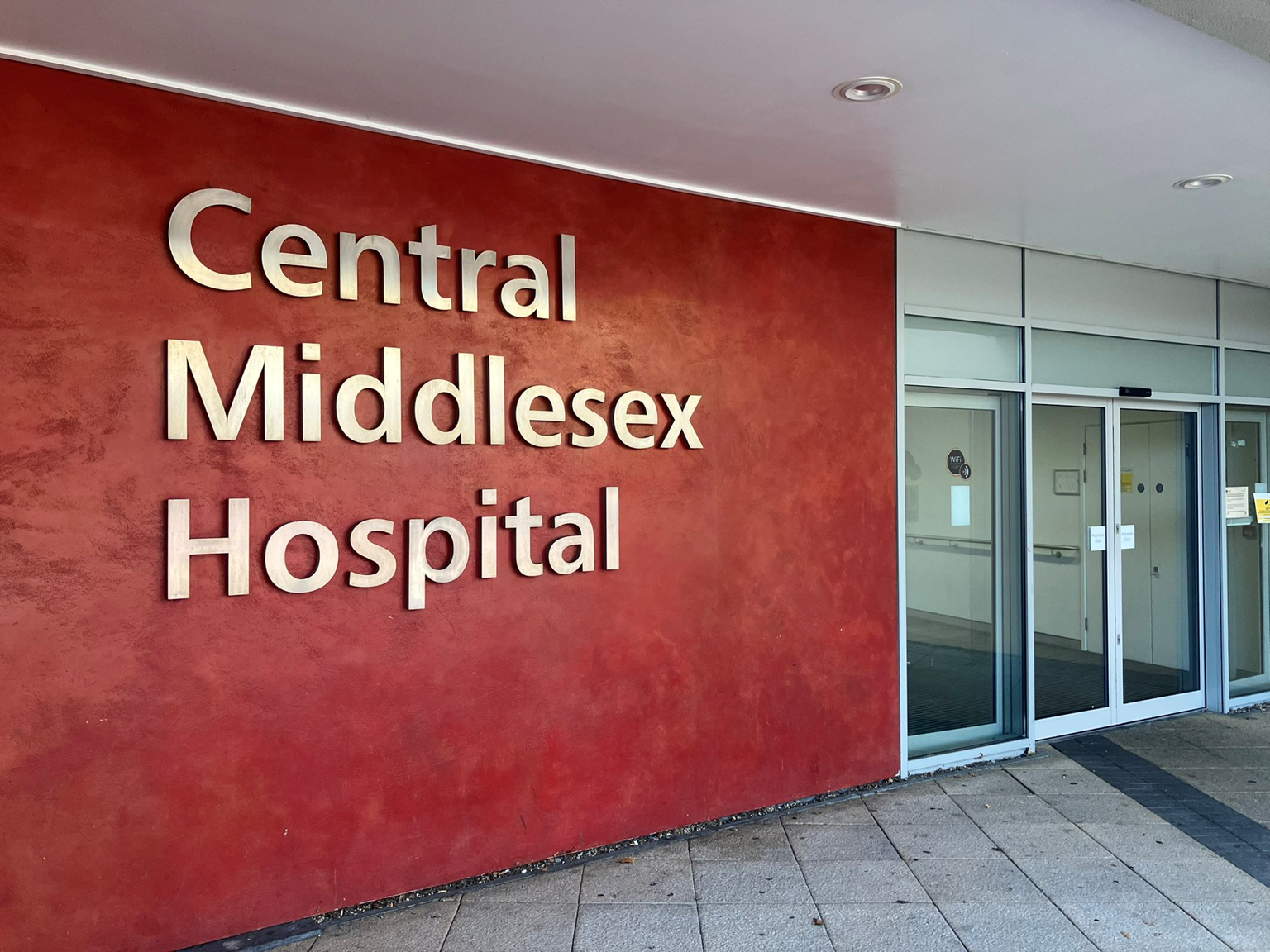
In December, an Elective Orthopaedic Centre, a new purpose-designed centre of excellence for orthopaedic surgery, was opened at Brent’s Central Middlesex Hospital (CMH). Since CMH does not provide emergency care, any planned operation is far less likely to be postponed due to emergency pressures. 

The new centre is managed by London North West University Healthcare NHS Trust (LNWUH), in partnership with three other hospital trusts in north-west London. Between them, they manage 12 hospitals in north-west London, serving a very diverse population of 2.2 million across eight London boroughs.

The model of care that the new centre works to, is simple, but effective — wherever a patient lives in north-west London, their operation will now take place at the new centre. Care is overseen by the consultant from their local hospital, who are already well practised and expert in what they do, joins them at the new centre to do the operation on the day. The rest of their care — before and after operation — takes place at their local hospital, in their community, or online at home. 

But since CMH does not provide emergency care, might that be a concern for a patient if there are complications during an operation? Well, the evidence from, for example, the orthopaedic centre at Epsom Hospital, which has been running for the past decade and performs one of the largest numbers of hip and knee replacements operations, suggests that complications requiring emergency care are exceptionally rare. 

However, for many patients, CMH may not be the easiest place to get to and so free transport is provided for those who need it. Also, for these who prefers not to travel to CMH for their operation, some procedures will continue to be provided in their local hospitals, though the new centre will treat them quicker.

The new centre is, therefore, a fast-track surgical hub, dedicated to routine orthopaedic operations. As for patients with more complex needs, the NHS anticipates that they will also benefit from shorter waiting times as the new centre will free up capacity in other north-west London hospitals. With this model of care, it is expected that many more patients will be treated much quickly, have shorter hospital stays, a better experience and follow-up care.

As Chair of the North West London Joint Health Scrutiny Committee, I have seen an enormous amount of work that went into making the new £9 million centre a reality. Clinicians and other NHS staff from across the four trusts worked with GPs, residents, and other stakeholders to develop a detailed plan, including the funding model, affordability, capacity, faster and fairer accessibility, and length of stay. The plan was then subjected to rigorous scrutiny at my committee. Additionally, a further 2,000 individuals and organisations contributed to a public consultation.

Indeed, the four trusts worked in partnership with my committee. This ensured that organisational and geographical boundaries did not get in the way of our shared commitment to delivering equitable services and continuous improvements at scale for our residents across north-west London.

They could, of course, have looked at a hybrid model combining NHS and private care and it is arguable this would have more capacity. But the priority was clearly to get the new centre up and running quickly and negotiating a model like that would have taken time. I know many will welcome the model as it is, and it is clearly likely to make a difference for our residents. All this shows what can be achieved when different parts of the NHS, local government and residents come together, dare to challenge, and think differently. Addressing orthopaedic waiting lists will significantly improve many people’s quality of life. As we start 2024, that’s certainly some good news for people in living across north-west London.

Cllr Ketan Sheth chairs the North West London Join Health Scrutiny Committee

How do we strike the right balance in public sector workforce training?

Shailen Popat

I was delighted to be invited to attend and speak at the APSE annual seminar in Belfast in September 2023. For us at the Department of Public Administration and Policy, connections with elected members and council officers are an integral part of our research and teaching, so I had no hesitation about accepting the invite and being with you.

I took the opportunity in my talk to share some questions I’ve been asking myself. The first is: do you feel that your education prepared you for a role in public management?

This is an important starting point for those of us who plan continuing professional development (CPD) for others. There is no shortage of master’s degrees and CPD courses, but we must continuously consider their pertinence and relevance. Sometimes educational courses are good learning experiences that are worth having for that reason alone, however we must reflect on whether a good learning experience is also useful in the field.

Since 2008, the public service mantra has been to ‘do more with less’. As we all know this places burdens on organisations and their staff. Having to do more with less often entails operating across multiple roles and skill sets, requiring a lot of flexibility. For example, a local authority may decide that it is more efficient to have one person covering multiple roles, whereas previously, there may have been two. This can compel public service workers to try and act as experts in areas where they are not. Similarly, elected members often have to make decisions on matters that they are not experts in, whilst engaging with those who are.

Both officers and elected members need to be able to assimilate, synthesise and communicate the rationale behind policy positions and decisions that they are not experts in. This not only poses a challenge for them but also for those who support their training. We must ask ourselves, what skills do we need to train non-experts in? And how do we train them?

A further complication is that the culture, norms, and political boundaries of an organisation may not be flexible. Even though an employee may have to work and think flexibly, the structures they operate in may be very rigid. Trainers need to consider whether they are educating people with this need for flexibility in mind.

Neuroscience tells us that learning occurs incrementally – the brain’s neural networks are constantly being revised and refined as we repeat actions. The science tells us that experience matters. However, an important part of experience is making mistakes.

Therein lies the problem, for elected members and senior executives, mistakes are a luxury that they cannot afford and are unlikely to be tolerated. This puts us in another quandary: we know that learning requires mistakes, and therefore we have to train practitioners and decision-makers to be reflective, however, if decision-makers fear making mistakes, this will hinder their learning.

 I also wonder whether this fear of making mistakes stops us from challenging ourselves to think, decide, and act differently from the norm. How much do our cultures and structures empower public service workers and elected members to be genuinely innovative? A lot of our learning occurs when we are exposed to new materials that challenge our previous beliefs and understandings.

There is also a concept called disfluency which means that not only should we learn something new but when we use and explain it to others, it begins to become clearer as to how we could enact it ourselves. ‘How much do we practice dysfluency and how can we educate for it?’ I would welcome anyone who would like to continue the discussion to email me.

Shailen Popat is Director of the INLOGOV full-time MSc in Public Management. In 2022, he was awarded the accolade of the University outstanding Teacher of the Year, and in 2023 was awarded a Senior Fellowship of the Higher Education Academy. He can be contacted via email at: [email protected]

This article was first published in the Association for Public Service Excellence (APSE) newsletter, Winter 2024

Zilch for timing, but this Resolution Foundation report is important

Chris Game and Jason Lowther

If you wanted some serious reader attention for something West Midlands local governmenty, you really, really wouldn’t have chosen this past November. The war in Gaza was seriously hotting up, there were the COP 28 talks in Dubai, Christmas was coming, and Aston Villa were en route to becoming the Premier League’s “foremost home team”, whatever precisely that means.

Serious distractions, but competition for headlines was only part of the challenge facing the Resolution Foundation’s early November release of its In Place of Centralisation report setting out a proposed and far-reaching Devolution Deal for London, Greater Manchester, and the West Midlands. There were other diversions and potential confusions too.

It was barely a month since Birmingham City Council – the principal West Midlands local authority involved in this proposed ‘Devo Deal’ – had issued not one but two Section 114 notices, reportedly declaring itself doubly “bankrupt”, unable to meet the Council’s financial liabilities relating to Equal Pay claims and an in-year financial gap within its budget, and handing over its governance to Communities Secretary Michael Gove’s appointed Commissioners.

And, if that wasn’t potentially complicating enough – for those directly affected as well as onlookers – in that same previous month representatives of the West Midlands Combined Authority (WMCA) had ratified the “Deeper Devolution” aka “Trailblazer” deal announced in the Chancellor’s March Budget.

That deal, comparable to that agreed by Greater Manchester back in March, but relatively little of which we’d heard in the meantime, would devolve more powers to ‘Metro-Mayor’ Andy Street (or, given the May Mayoral elections, potentially his successor), the 30 WM local authorities (7 met boroughs, 4 unitaries, 19 districts) and their 6 million population, and simplify funding arrangements, with £1.5 billion to spend on long-term infrastructure projects and services such as transport, skills, housing and regeneration.  A key element is a single block grant negotiated with the Government, like a central government department, as part of next year’s Spending Review.

Key ‘highlights’ include:

  • A ‘landmark’ housing deal worth up to £500 million, offering greater flexibility to drive brownfield regeneration and funding to deliver “affordable housing at pace”;
  • Greater control over local finance, including retention of an estimated annual £45 million of business rates for the next decade [hold on to that version of ‘local financial control’!];
  • Up to six ‘levelling up zones”, backed by £25-year business rate retention, with an estimate total value of at least £500 million, to target investment and encourage regeneration in areas agreed with the Government;
  • Measures to tackle digital exclusion, including greater influence over high-speed broadband investment across the region and a £4 million fund to get more people online.

In anywhere other than one of the most centralised governmental systems in the developed world, describing this package as ‘trailblazing’ would be wildly OTT. Here, though, it was rightly welcomed as constituting serious devolutionary progress, and Mayor Street, not surprisingly, was enthusiastic, seeing it as “marking the beginning of the end of … the ‘begging bowl culture’ where we must regularly submit bids for various pots of money on a piecemeal basis.”

Here’s the thing, though – well, two things, actually. First, the really rather big thing. The leading West Midlands council in this new ‘Trailblazer’ era is currently, following the issuing of those Section 114 notices, (a) in severe financial straits, and (b) being run until quite possibly 2028 not by elected councillors, but by Lead Commissioner Max Caller, his associate commissioners and political advisors – none of whom have ‘Trailblazing’ as a core part of their brief.

The second and, in Birmingham’s current circumstances, almost other-worldly thing, is the Resolution Foundation’s In Place of Centralisation report which is, incidentally, not the first RF report to be covered in these pages. It’s other-worldly too in the sense that it’s just one, albeit important, product of a bigger, wider-ranging academic project: The Economy 2030 Inquiry – a Nuffield Foundation-funded collaboration between the Resolution Foundation, an independent think-tank, and the LSE’s Centre for Economic Performance.

UK economic growth is their primary project – not boosting local democracy – one persistent obstacle to the attainment of which they identify as “the decades of underperformance of the big cities of Manchester, Birmingham, and more recently London” – the key cause being, they reckon, the centralisation of the British state. No startling news to INLOGOV blog readers, but a contrasting starting point to, say, that of the authors of Trailblazer deals, and their prescriptions go a good deal further.

They start (p.4), unsurprisingly, from a different array of statistics, demonstrating the extreme centralisation of the British state.

Only 5 per cent of the UK’s tax revenues in 2019 were collected by local    government, compared to 14 per cent in France, 23 per cent in Japan, and 35 per cent in Sweden. Accordingly, local government relies ongrant funding, with only 19 per cent of all local spending in the UK funded locally, compared to 37 per cent in the average OECD unitary state.

They concede that “recent advances in devolution have begun to unwind this”, but, following a decade of austerity, significantly further fiscal devolution is required to improve growth without increasing inequality – in the form of a ‘triple deal’ negotiated between the Government and the Mayors of Greater Manchester, the West Midlands, and London as a trio, going “beyond the recent ‘trailblazer’ deals” and into which other mayors would be able to opt in the future.

The core of the triple deal would be fiscal devolution, “which would help to end the centrally-imposed local government funding crisis for the three cities by widening the local tax base, and resourcing improvements in the local economy.” Everyone would be a winner – the mayors, borough and Exchequer all benefiting from a new revenue-neutral fiscal settlement, including (pp.4-5):

  • A local share of income tax receipts, with Greater Manchester and West Midlands keeping a larger share than London;
  • Complete retention of business rates, and control over the ‘multiplier’;
  • A single grant to the mayors distributed on a per person basis;
  • The ability for mayors to reform council tax.

It would then be up to the mayors, in negotiation with the boroughs, to distribute this revenue across local government’s various responsibilities across their city. And in the medium-term?

Well, big IF … but the higher growth in the three cities that would be “likely”, if this fiscal devolution were accompanied by other policy changes, would then translate into higher local tax revenues for the mayors – with, by 2038, Greater Manchester raising between £49 million and £230 million, and the West Midlands between £40 million and £187 million beyond their current level of funding.

That was from p.5 of what is a 64-page report, so there’s a very great deal more explanation and explication. But the key, and hopefully obvious, point of this blog is to enable you, if it crops up in conversation, to disabuse anyone of the notion that the Resolution Foundation’s contribution to this debate is just ‘Trailblazer deals’ writ large.

Our view is that the current local government finance system is bust. Business rates penalise high street shops, the council tax is regressive with hopelessly outdated valuations, and councils spend too much energy chasing central government largesse through competitive funding pots.  Democratically elected councils rely on a begging bowl and lack basic revenue raising powers that are commonplace internationally.  We will be saying more on this as the General Election approaches…

Chris Game is an INLOGOV Associate, and Visiting Professor at Kwansei Gakuin University, Osaka, Japan.  He is joint-author (with Professor David Wilson) of the successive editions of Local Government in the United Kingdom, and a regular columnist for The Birmingham Post.

Jason Lowther is Director of the Institute for Local Government Studies (INLOGOV) and Head of the Department of Public Administration and Policy at the University of Birmingham.

The value and necessity of our green spaces and natural assets

Rebekah Roebuck

Witton Lakes, Stockland Green, Birmingham: Photo by Tom Roebuck

Open spaces, whether green spaces (e.g. parks or forests), blue spaces (e.g. canals or rivers) or grey spaces (e.g. urban squares) have long been understood to be of great importance and value to society. Be it the creation of the Porticus Pompeiana in Ancient Rome or the wider opening of the Royal Parks to the public in the UK throughout the 1800s, the connection between open spaces and society’s wellbeing is complex but enduring. However, with the increase in financial precarity across local government, their status and quality may be at risk. This blog emphasizes the value of citizen relationships with open spaces using flash ethnographic research from four cities across the world, including the role of community organisations before considering potential impacts of local government finances for green spaces in Birmingham.

Norval Foundation, Cape Town, South Africa: Photo by Lauren Richards

Open spaces entail a wide range of places, including recreational facilities, public parks, heritage sites, beaches, and public squares. On an individual level, citizens around the world connect with local open spaces for a variety of often highly contextual and personal reasons. Open spaces can be places where people connect with heritage, with art and culture, developing a sense of self and connecting with the environment they live in. They are spaces we might use alone but can also act as hubs for community building and socializing.  We may choose to visit a park for a few hours, stay at a beach all day, or simply sit outside in public squares during lunch breaks.

Central Business District, Nairobi, Kenya: Photo by Saina Kiprotich

Some of our open spaces are treasured and achieve status such as becoming a UNESCO world heritage site. One such example is in Morocco, where Chellah, an ancient archaeological site and fortified necropolis, is listed and protected by the Moroccan authorities, and well maintained so visitors can feel safe and secure while enjoying the natural beauty and historical significance of the area. The standard, cleanliness and perceived safety of an open space impacts the desire of local residents to use it. In many places, including Birmingham, Nairobi and Cape Town, the standard of open spaces varies significantly, with more affluent neighbourhoods often having better maintained spaces

but some are simply ‘left behind’, neglected, or subject to fly tipping or dumping, causing visual pollution, and spoiling open spaces.

Chellah, Rabat, Morocco: Photo by Ilias Defaa

This lack of equality around green space access is well recognised by Birmingham City Council, who have a 25-year City of Nature Plan, with an ambition to be recognised as a city of nature, with the Birmingham Future Parks Accelerator Project developing an environmental justice map of the city by ward with ‘access to green space’ comprising one of the factors that generates the score, the first local authority in the UK to develop a tool to measure environmental justice.

The relationship we have today with our open spaces is gaining focus both here in the UK and globally. Increased attention to climate change, the importance of biodiversity and the value of open spaces as assets which can help with climate mitigation and adaptation is growing, alongside the intrinsic benefits to local people and communities.

However, despite this growing recognition, and plans such as the BCC City of Nature Plan and the West Midlands Combined Authority (WMCA)’s five year Natural Environment Plan, funding for parks in the UK has been cut significantly. The State of UK Public Parks 2021 report published by the Association for Public Service Excellence (APSE) found that the UK has lost a total of £690 million funding for parks between 2011-2021, providing ‘woefully inadequate’ funding for local authorities.

Community groups, such as in Birmingham, often provide support voluntarily alongside accessing grants not available directly to local authorities to improve and develop the space for use. Birmingham Open Spaces Forum coordinate and support the 130+ ‘Friends of’ and other community groups across Birmingham that caretake and protect not only those spaces that seem traditional to open spaces; parks, fields and gardens, but also litter pick in the streets, and maintain other smaller patches of ‘green’, which some may overlook, but are of equal importance. Cotteridge Park in the south of the city provides a gold star, ‘Green Flag’ awarded example of the success possible with volunteers.

‘The Shed’ at Cotteridge Park, Birmingham: Photo by Rebekah Roebuck

The value of open spaces is not always easy to quantify. However, under the concept of natural capital, there is an increasing drive to define a financial value on the services provided. Birmingham’s 600 blue and green spaces (over 4,700 hectares (47 Km2), not to mention the famed ‘more miles of canals than Venice’), is estimated by Birmingham Future Parks Accelerator to be worth around £11 billion, with £4 billion linked directly to the wellbeing of its residents.

In the light of Birmingham City Council’s proposed service cuts, including city operations which includes responsibilities for parks, the role that community groups play in the protection, maintenance and guardianship of our green spaces feels even more critical. BOSF are backing the ‘Save Birmingham’ Campaign, formed in response to concern about the prospect of a ‘fire sale’ of vital spaces. They are asking local residents to nominate spaces and other facilities as an “asset of community value”, to demonstrate the public support for these and with a view to potentially developing further co-operative solutions for spaces in the future.

Be it simply the reduction in servicing and maintaining our parks, to the more serious prospect of the selling off or repurposing of open space assets, it seems likely that despite the recognition of the growing necessity to protect these open spaces, they may be at risk. To achieve environmental justice and equality of access to open spaces in Birmingham, how parks are funded, maintained, and improved must remain a focus for local government.

Rebekah Roebuck is undertaking a PhD on the governance of energy decarbonisation in the Department of Public Administration and Policy at the University of Birmingham. She is also interested in environmental justice, disability rights and community engagement. She can be contacted at [email protected]

https://www.linkedin.com/in/rebekah-roebuck/

This blog derives from a longer blog on Open Spaces and Mobility published for the University of Birmingham developed via a EUniWell project focused on international collaboration, written by the author alongside Ilias Defaa, Lauren Richards, Nana Amponsah and Saina Kiprotich.

Beyond the Numbers: A Holistic Approach to Section 114 Notices in English Local Government

Dr Philip Whiteman

In English local government, the issuance of a section 114 notice is often perceived as a dire financial omen, signalling a council’s descent into insolvency. While financial stability is undoubtedly a cornerstone of effective governance, it is crucial to recognize that section 114 notices reveal more than just a precarious financial situation. They serve as a beacon, illuminating underlying issues that extend beyond the confines of spreadsheets and budget projections. Either way, the government’s Department of Levelling Up, Housing and Communities (DeLUHC) tends to respond with intervention and the imposition of commissioners to direct the authorities concerned.

The poor financial position of many authorities may be the direct result of years of underfunding by central government and we can expect many more councils to serve section 114 notices, but it would be improvident to assume there are no further underlying causes.

Nottingham City Council’s recent declaration of a section 114 is a clear indication that some authorities are simply folding due to a broken funding formula, but this is not the sole cause of failure in all cases. When looking at other authorities, alternative underlying causes are present. Further examples include:

  • The BBC Panorama programme highlighted how Thurrock Council was rendered bankrupt following a series failed investments in a solar farm, highlighting disastrous procurement practices, lack of accountability, poor governance, and inappropriate delegations to officers.
  • Birmingham City Council’s problems did not emerge overnight and were a culmination of challenges created by a historic equal pay-claim and botched procurement a new IT system, Oracle. Underpinning this was poor financial planning, governance, accountability, and a failing internal culture.
  • Woking Borough Council racked up a deficit of £1.2bn following the building and acquisition of major property portfolio. Against these investments, the authority had acquired loans from the Public Works Loan Board and other local authorities, accumulating debts that it could not service.
  • Liverpool City Council’s woes are not confined to finances. Government commissioners were appointed to Liverpool City Council in June 2021 following a damning Best Value inspection by Max Caller CBE on matters pertaining to poor leadership, unacceptable performance, poor resource management and a failure to engage with citizens.

Government appointed commissioners tasked with overseeing councils in financial distress must adopt a holistic approach, venturing beyond the immediate financial crisis to uncover the root causes of the council’s predicament. This requires a comprehensive examination of the council’s structural framework, external environment, performance management and internal governance practices.

Structural Challenges: A Precarious Foundation

English local governments face a unique set of structural challenges that can hinder financial stability. The relentless rise in service demands, coupled with a funding system that often fails to keep pace, places immense pressure on council budgets. This mismatch between resources and responsibilities can lead to a cycle of overspending and financial strain.

Commissioners must delve into the council’s structural framework, assessing whether the current allocation of resources aligns with the council’s responsibilities. They must also evaluate the effectiveness of the council’s revenue-generating strategies, ensuring they are maximizing their income potential without overburdening residents.

External Factors: Navigating Turbulent Waters

Local governments are not immune to the vicissitudes of the external environment. Economic downturns, shifts in government policies, and natural disasters can all have a profound impact on a council’s finances. Commissioners must assess the council’s vulnerability to these external factors, evaluating its risk management strategies and identifying potential contingencies.

Internal Governance: Cultivating a Culture of Accountability

While structural challenges and external factors can undoubtedly contribute to financial distress, internal governance failures often play a pivotal role. Poor financial planning, inadequate risk assessment, and a lack of transparency and accountability can erode a council’s financial stability.

Commissioners must scrutinize the council’s internal governance practices, ensuring that financial decision-making is sound, risks are appropriately assessed, and accountability is firmly established. They must also foster a culture of transparency, empowering residents to hold their council accountable for its financial stewardship.

A Holistic Approach: Beyond the Financial Storm

In the aftermath of a section 114 notice, commissioners must resist the temptation to focus solely on immediate financial stabilization measures. Instead, they must adopt a holistic approach, addressing the underlying structural, external, and governance issues that contributed to the council’s financial crisis.

By adopting a comprehensive view, commissioners can guide councils towards long-term financial stability, enabling them to deliver essential services to their communities without succumbing to the pressures of insolvency. Only by addressing the root causes of financial distress can we ensure that section 114 notices no longer serve as mere harbingers of financial doom, but rather as catalysts for positive transformation.

Speculating on further interventions

Speculation is precisely that. Estimates vary widely in terms of how many further councils are anticipated declare section 114 notices, but a clear signal of further failures exists:

  • In July 2023, ITV News cited a leaked DeLUHC document which estimated at least 26 bankruptcies over the next two years.
  • The Institute of Government has estimated that 10% of councils are at risk over the next two years.
  • The Special Interest Group of Municipal Authorities (SIGOMA), a representative body for 47 municipal authorities, published a survey in June 2023 which showed that five of their members were at risk.
  • A Local Government Association Survey conducted in November 2023 revealed that almost one in five local authority leaders and chief executives believe that their authority may have to declare a section 114 notice.

Whilst estimates vary, there is evidence that further authorities will become vulnerable to government intervention via the imposition of DELUHP appointed commissioners.  This raises a final question; can the predicted number of authorities realistically be serviced?